React Native app development
I build React Native apps in TypeScript for Android and iOS from a single codebase — and the parts around the screens that decide whether an app works in the real world: the API, push notifications, native modules, and the release pipeline that gets a fix to users the same day.
What's included
- Android and iOS app from one React Native + TypeScript codebase
- Screens, navigation and state that stay predictable as the app grows
- API integration, or a Node.js / Firebase backend built for the app
- Push notifications, deep links, analytics and crash reporting
- Native modules in Java, Kotlin or Swift when JavaScript isn't enough
- Play Store and App Store release, plus over-the-air updates
Why React Native
One codebase for Android and iOS means one team, one set of business rules and features that ship to both platforms on the same day. For most product apps — fintech, social, marketplaces, telecom self-care, internal tools — it gives native-feeling performance at a fraction of the cost of two separate apps.
Apps I've built with it
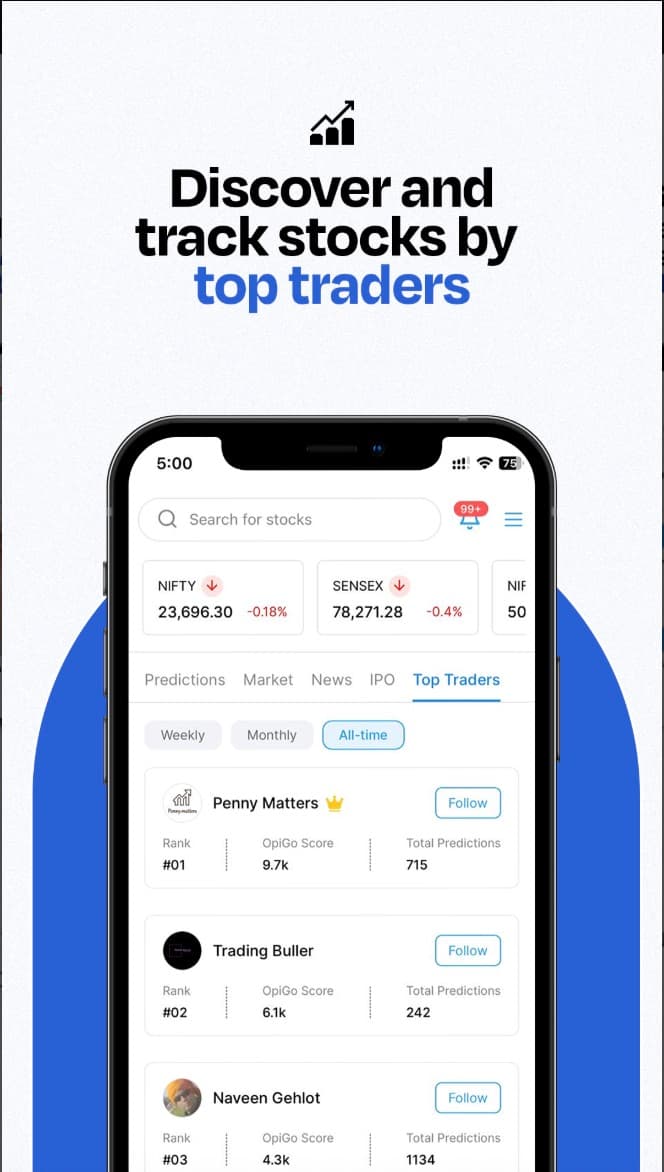
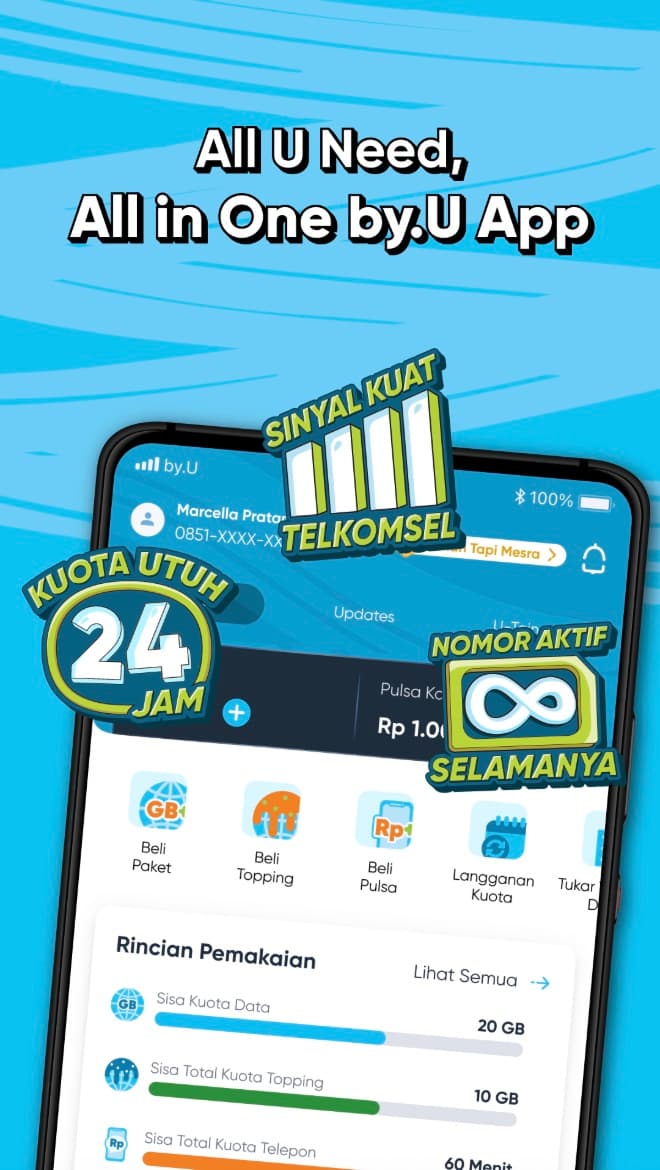
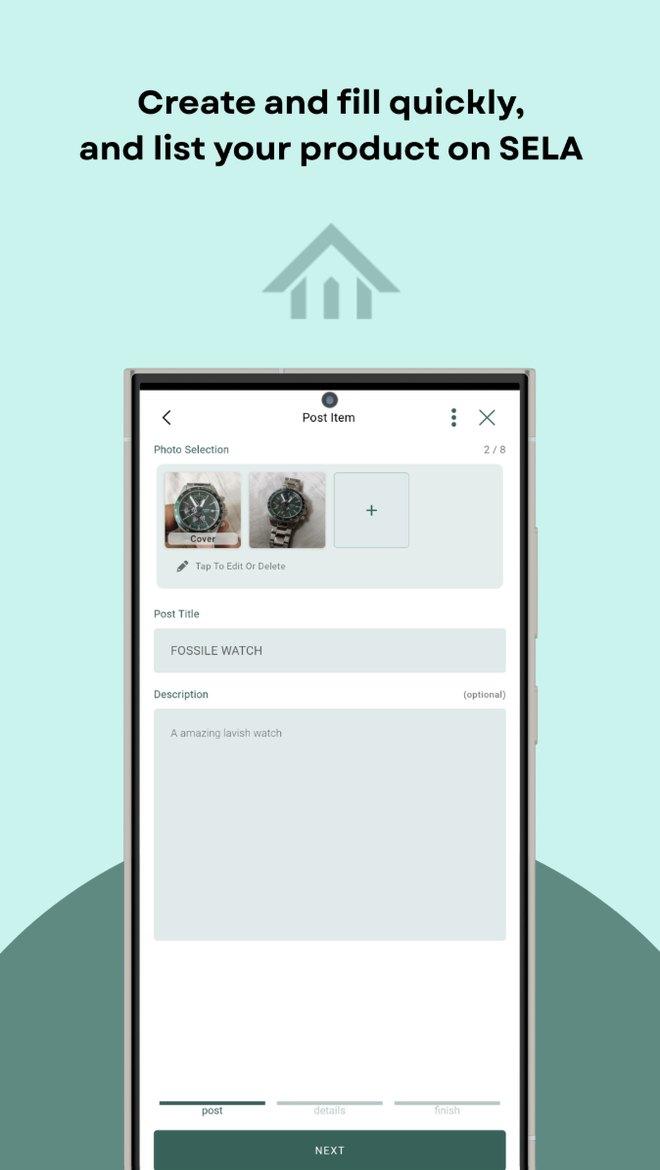
OpiGo, a social trading app, and by.U, Telkomsel's all-digital telecom app in Indonesia, are both live on Google Play and the App Store. SELA is a location-based classifieds marketplace with real-time chat. Each case study on this site explains what I built and the engineering decisions behind it.
How the work is structured
We start from the user journey — onboarding, payment, notification, the return visit — not from a list of screens. I agree the first release with you, ship it to internal testers early, and keep a working build in your hands every week, so you see progress instead of hearing about it.
Related work
- OpiGoA social trading app where market opinions, polls and expert-curated strategies live in one place.
- by.UIndonesia's first all-digital telecom service, operated by Telkomsel, where everything happens in the app.
- SELAA mobile-first classifieds app for buying, selling and trading locally, with a live map, real-time chat and seller ratings.
Common questions
Is React Native good enough for a production app?
Yes. React Native powers large production apps, and the apps I've worked on — OpiGo and by.U — are live on both stores. Where a feature needs the device directly (camera, background work, permissions) I write a native module in Java, Kotlin or Swift.
Do you use Expo or the bare React Native CLI?
Either. Expo is the faster start for most new apps and supports custom native code through development builds; the bare CLI is right when an app already exists or needs unusual native setup. I'll recommend one for your project and explain why.
Can you build the backend too?
Yes. I build APIs in Node.js and Express with MongoDB, or use Firebase (Auth, Firestore, Cloud Messaging) when that fits better. Collective Ledger on this site is a full product I built end to end.
Other ways I can help
- iOS & Android appsOne app that feels right on iPhone and Android — and gets through App Store and Play Store review.Read more
- Bug fixing & upgradesCrashes, failing builds, slow screens or an outdated React Native version in an app you already have.Read more
- Push notifications & FirebaseNotifications that actually arrive, Firebase set up properly, and fixes that reach users without a store release.Read more
- MVP apps for startupsFrom an idea to a first version in real users' hands — scoped tightly, built to grow.Read more
- React Native developer in SuratBased in Surat — available to meet businesses in Surat and work with teams across Gujarat.Read more
- Hire a React Native developer in IndiaA remote React Native developer in India for teams in the US, UK, Europe, Australia and the Middle East.Read more
Tell me about your app.
What you're building, who it's for, and where it hurts today. I read every message and reply by email.